
Wine is forever evolving. For the last thirty-six years I have watched and tasted how wine has changed, specifically, how it has improved in areas where only a few years ago, the product was marginal. One such area is Quebec. Nine years ago we visited this region and the wines were decent, but almost entirely limited to hybrid grapes, like Frontenac and Vidal, or fruits, like apples and pears.

Fast forward to today. We spent the afternoon tasting at a wonderful little winery in Varenne called Domaine du Fleuve. Our host, proprietor and wine maker Louis Thomas is gracious, knowledgeable and clearly passionate, producing spectacular wine from both vinifera and hybrid varietals.
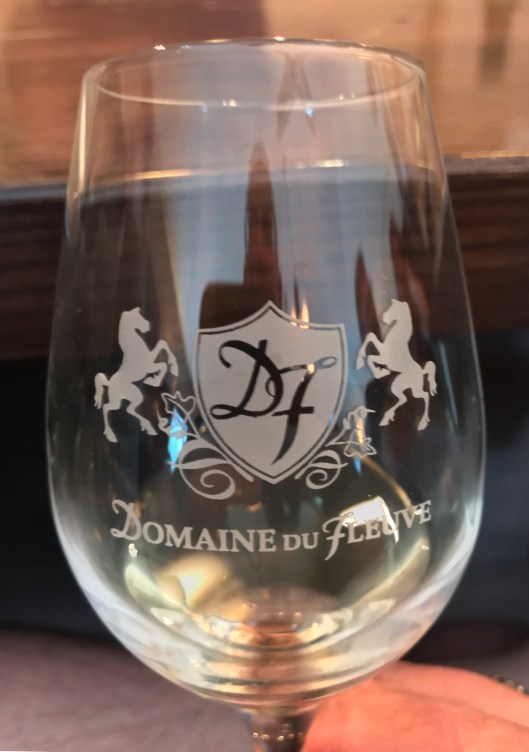
We started with a selection of whites featuring estate grown Chardonnay

St-Pépin

Pinot Gris
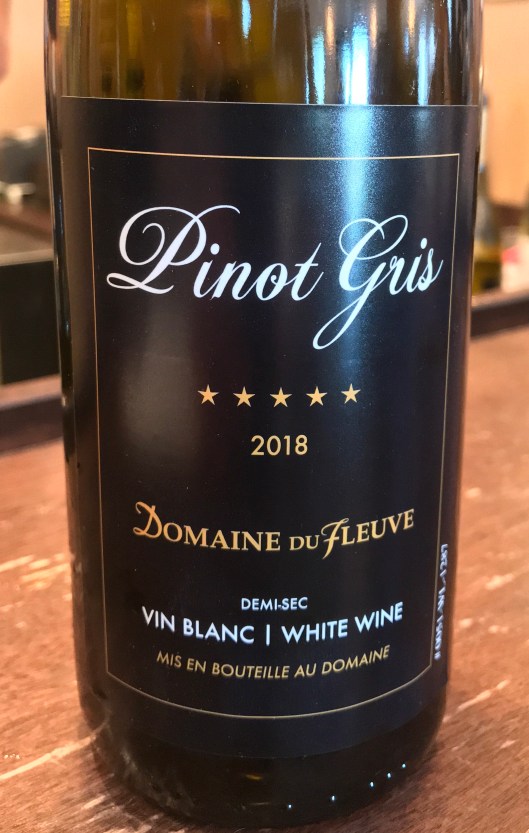
and Vidal.

The four whites were all fresh, well-balanced and showed vibrant noses with delicate palates. Quite nice.
A rose was next featuring a blend of 60% Frontenac Gris, 20% Ste-Croix and 20% Vidal. The wine had a beautiful strawberry, floral nose with a well-balanced, fruit-forward palate. Slightly chilled the wine was perfect on this warm Summer afternoon.

We finished this flight with a final white wine, an off-dry estate-grown Vandal Cliche, which is a grape native to Quebec. The wine has a perfumed nose with a delicate, slightly sweet palate featuring apples and honey.

The next flight featured two reds, both made from hybrid grapes. Unfortunately, the other reds made at the winery, a Pinot Noir and a Cabernet Franc were sold out, clearly a testament to the quality and appeal of the wines.
The first red is a blend of Lucy Kulhmann, a cousin of Marechal Foch, Frontenac Noir and Marquette. The use of Lucy Kulhmann, which is softer and much more delicate on the palate than Marechal Foch makes for a much more seductive wine, showing lovely cherry and lilac notes in the nose with a quaffable, easy-drinking character on the palate.
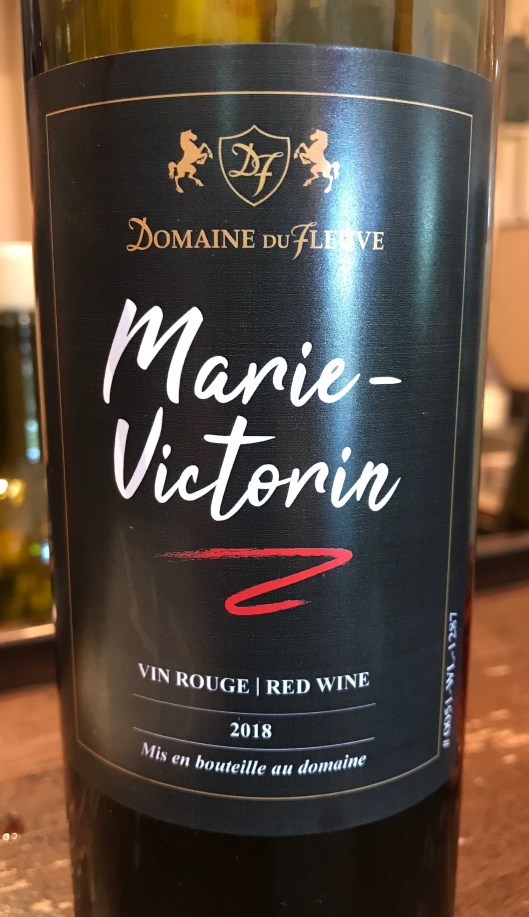
The second red we tasted is a blend of Frontenac Noir, Sabrevois and Ste-Croix. The wine showed a much more vibrant nose with stronger cherry and red currant notes, with more structure and firmer tannins on the palate. The second red is not yet for sale, but should be available very soon.
Both reds were very well-balanced, something ten years ago would have been unusual for hybrid wines.
We finished with a very interesting dessert wine, made in the style of Bordeaux’s Pineau du Charente, consisting of the unfermented grape must of the Vandal Cliche grape mixed with Brandy. The result is a wonderful mix of apples and honey, lightly sweet and not a bit cloying. Simply delicious!

The vineyards surround the winery and create a picturesque scene reminiscent of wineries we’ve visited around the world.


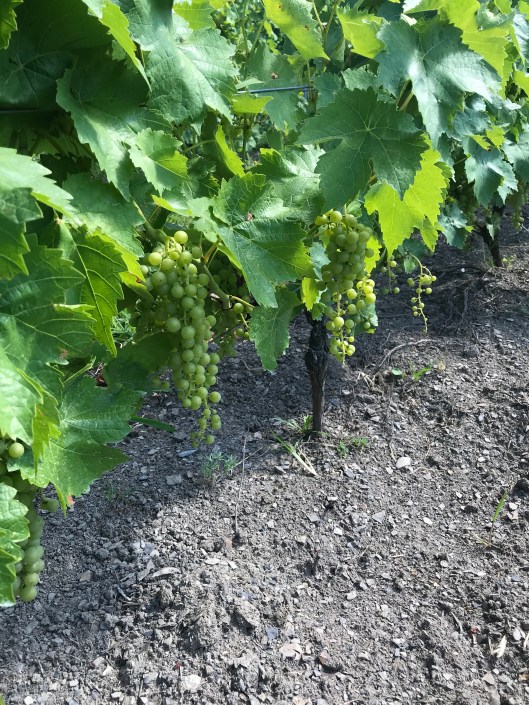

The soil, as can be seen in the pictures is varying degrees of clay topsoil over schist.
Our visit to Domaine du Fleuve was truly wonderful. The wines were excellent and Louis was such a gracious host. In the nine years since we visited, the quality and appeal of Quebecois wines has improved, evolving into legitimate wines we should all have in our cellars, or at least on our table!
Cin-Cin!

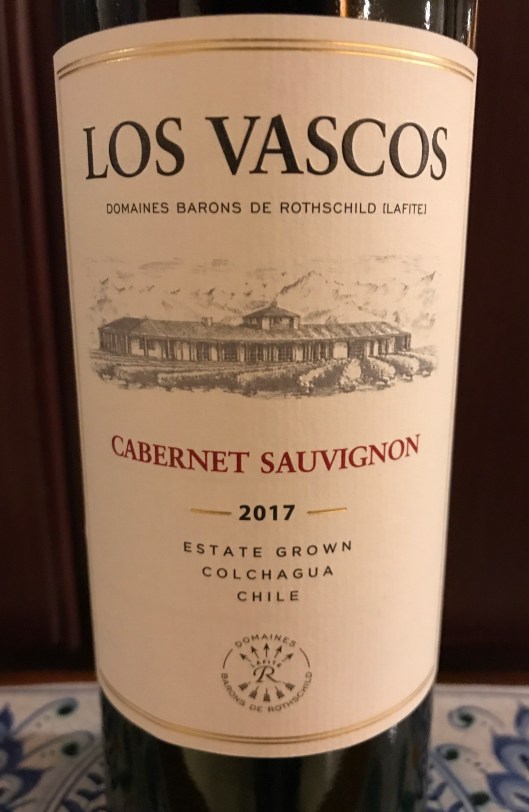 Almost twenty-nine years ago I tasted my first Los Vascos Cabernet. It was one of the first Chilean wines I had ever experienced, and frankly I was seriously impressed. It doesn’t hurt that the winery is owned by Lafite Rotchild, the famous first growth from Pauillac in Bordeaux, masters of fine wine.
 There are supposed to have been four variations of this “hair-of-the-dog” hangover cure. The #2 is perhaps the most popular and the only one that survived prohibition in tact. I’m not even sure that reliable recipes exist for #3 and #4, despite finding a few on the Internet. A conventional search of my drinks library turned up nothing verifiable.
 Appassimento is a traditional Italian wine-making method that involves drying the grapes on straw mats prior to fermentation. The drying process concentrates the sugar and intensifies the complexity of the flavors in the grapes. The resulting wine is powerful, rich and redolent of spice, raisins and cooked fruit.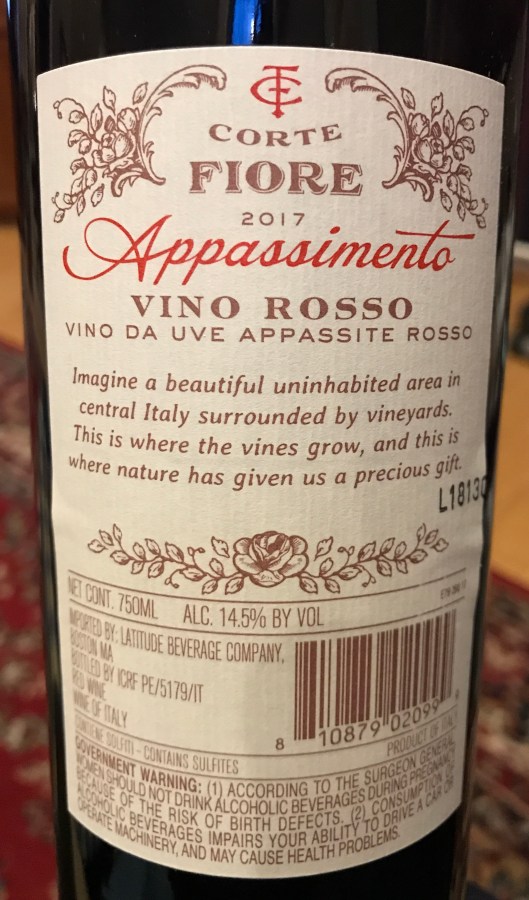
 Obsessed… some have called me this and they would not be wrong… I think of myself as a purist… that person who seeks out real, authentic product that is a testament to the Craft.
 The Octomore are cask strength monsters that pay homage to the gods of Islay. If you thought Laphroaig and Lagavulin were impactful as Islay malts, then you need to taste the Octomore. Without a doubt, Octomore redefines Islay and sets the bar very high for Peat and Smoke.
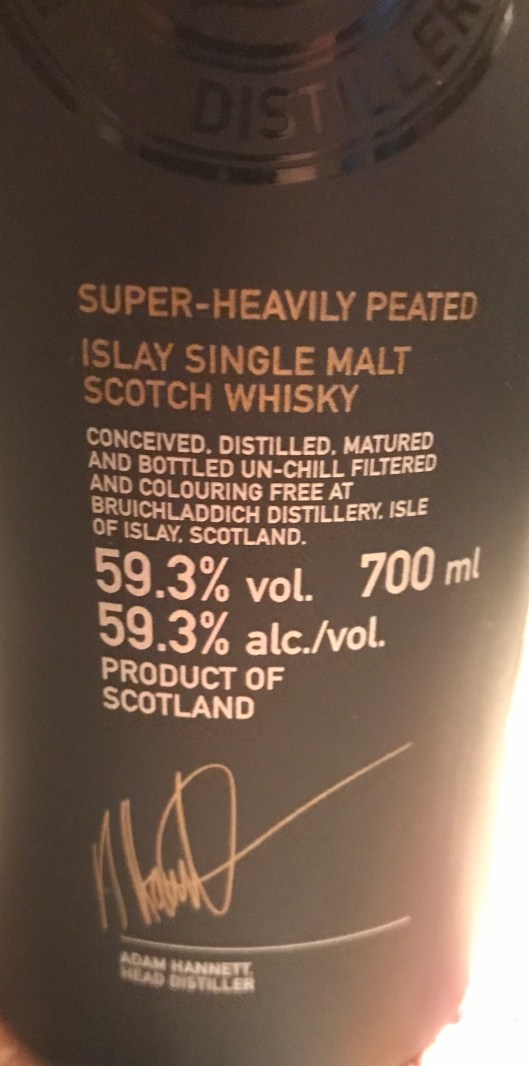 Comparatively, the 8.1 is “lighter” than the 8.3 and is more like the 6.3 in balance and flavor. Massive peat and smoke dominate the palate with a hint of honey, vanilla and violets on the finish. A trifle hot, with a few drops of mineral water, the whisky explodes and at the same time, tames itself nicely.
 In 1805, Napoleon Bonaparte anxiously planned the invasion of England. Having neutralized the continent of Europe, Napoleon looked to solidify his position of power by invading France’s long term enemy. What stood between Napoleon and victory was the English Fleet, led by Admiral Horatio Nelson. In what would become one of history’s greatest sea battles, Lord Nelson stemmed the tide of Napoleon’s quest, by defeating the combined French and Spanish Navies off the west coast of Trafalgar. Nelson would receive a mortal wound during the battle. His body was rumored to be transported back to England in a cask of Rum, which led to the spirit’s nickname, Nelson’s Blood.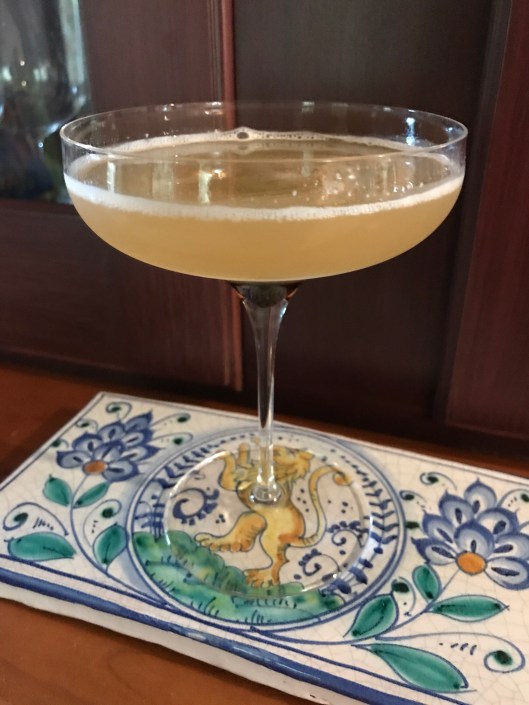


 blog.musingsonthevine.com