Category Archives: Wines

Corsican Wines

03 Monday Sep 2012

Posted by musingsonthevine in Wines

≈ Leave a comment

Corsican Wines

I was in a local wine store – Martignetti’s Fine Wines in Brighton, MA on Soldier’s Field Road and spied a new display… a curious collection of Corsican wines… My attention was piqued for several reasons: one, Corsica is the birthplace of Napoleon I, someone who I have spent countless hours studying; and two, I have had only one Corsican wine in nearly thirty years of tasting, so an opportunity to taste another seven seemed like a fun learning adventure!

First, a bit about Corsica, the most mountainous island in the Mediterranean Sea, located about 55 miles west of Italy and 105 miles south of France. Politically, Corsica belongs to France, but its wine tradition belongs to Italy. The island is believed to have been settled in 570 BC – by Phoceans traders, Greek colonists from the west coast of Anatolia. Among the many things the Phoceans brought in their travels was cultivation of the vine. Vines thrived until the late 7th and early 8th Centuries AD, when Corsica fell under Islamic rule, a culture that banned the production and drinking of wine. With the turning back of the Islamic incursion, Corsica came under the control of Pisa in Tuscany around 800 AD. With Tuscany came a return of the vine and the grape flourished. In around 1200 AD the Genoese took over from the Pisans and continued to highly develop viticulture on the island, introducing a Sangiovese clone to the island that would become the Nielluccio grape. Corsica continued to thrive as a Genoese state, when in 1769 AD the island was ceded to France. It was in that same year that Napoleon I was born in the town of Ajaccio. With France, cultivation of the vine continued to thrive, and the French sought to bolster the sagging island economy with a strongly promoted wine industry. The Phylloxera epidemic of the mid 19th Century crippled the wine industry on Corsica, and eventually the poor economic conditions forced mass depopulation of the island as Corsicans sought refuge elsewhere. Life ebbed on the island until Algeria finally gained independence from France in 1962 and many French pieds-noirs immigrated to Corsica and began planting new vines. Vineyard plantings grew four times during this period, but it was a case of quantity over quality, with gallons of cheap, low end wine flowing out of Corsica and into the burgeoning European “wine lake.” Like many wine regions across Europe, in the 1980’s subsidies were provided to reduce low quality vineyard plantings, as well as invest in more modern wine making technologies. The result of these subsidies is a new era in quality wine production on the island, which has piqued the interest of such noted wine importers as Kermit Lynch.

The climate and geography of Corsica are well suited for grape cultivation. Corsica is warmer and dryer than France, with very little diurnal variation, which means even and quick ripening of the grapes. The lack of rainfall during August and September contributes to rot-free harvests. The soils on the island are widely varied with the northern island (Cap Corse) consisting primarily of schist; the mid island (Patrimonio) consisting of limestone, chalk and clay; the west island consisting of granitic soils; and lastly the east island consists largely of marly, sandy soils. The mountainous terrain can make vineyard management challenging, but the elevation keeps temperatures moderate.

The principle red grapes grown on Corsica are Nielluccio, Sciaccarello, Barbarossa and Aleatico. Nielluccio is thought to be a clone of Sangiovese as noted previously and is found primarily in the northern regions of Corsica. The grape likes limestone soil and can produce wines with great finesse and structure. Sciaccarello is a native grape that is found primarily in the southern regions of Corsica. The grape prefers granitic soils and has a powerful nose and a widely-varied flavor profile, making wines that are very much like French Pinot Noir. Barbarossa is another native grape that is widely planted in the southern regions of Corsica and tends to produce light, fruity wines. Aleatico is a grape of Italian origin and is believed to be related to the Muscat grape. Aleatico is grown primarily on the eastern side of the island, as well as in the Cap-Corse to the north, but it is only allowed as a blending grape delimited as Vin de Pays de l’Ile de Beauté. Aleatico is also the basis of the fortified red Vin Doux Naturel produced in the Cap-Corse named Rappu.

The principle white grapes on Corsica are the Vermentino, Bianco Gentile and Muscat Blanc à Petit Grains. Vermentino is a well-known grape planted throughout the Mediterranean, likely originating from the Iberian Peninsula. The grape is planted across Corsica and yields wine of great personality with perfumed, head aromas. Bianco Gentile is a native variety that is quite rare and only rediscovered during the 1990’s. The grape is capable of producing wines of great finesse with layers of fruity complexity. Muscat Blanc à Petit Grains is primarily planted in the northern Cap-Corse region where it is used to make Vin Doux Naturel wines.

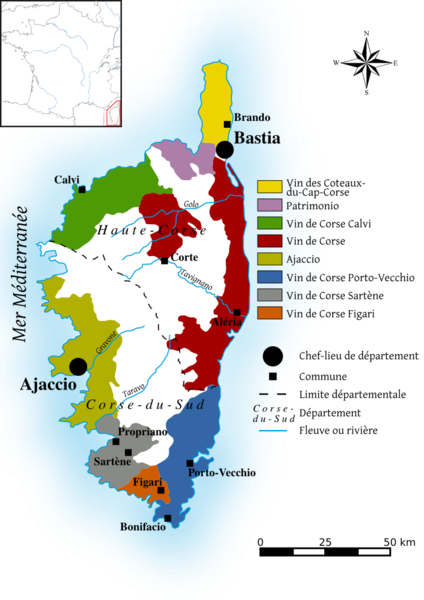
The wine regions of Corsica are defined by the French AOC. There are nine specific AOC regions and one Vin de Pays region on the island. The regions breakdown as follows:

  • Patrimonio
  • Ajaccio
  • Vin de Corse
    • Cap Corse
    • Calvi
    • Sartene
    • Figari
    • Porto-Vecchio
    • Muscat du Cap

The only island-wide region is the Vin de Pays de l’Ile de Beauté, which accounts for almost 70% of the island’s wine production.
The wines that were tasted recently are the following:

2010 Domaine Maestracci E Prove, Corse Calvi AOC

Lovely perfumed nose with a lightly, fruity palate and a firm, refreshing finish – well balanced and very nice. Average retail $19.99

2011 Yves Leccia, Ile de Beauté IGP

Lovely nose with a nice mix of fresh fruit and mineral hints – light on the palate with a crisp finish – well balanced. Average retail $29.99

2011 Yves Leccia Biancu Gentile, Ile de Beauté IGP

Soft, floral nose with a somewhat tart palate. Crisp finish, but a bit non-descript. Average retail $39.99

2011 Domaine Comte Abbatucci Cuvée Faustine, Ajaccio AOC (100% Vermentino)

Delicate nose with lovely apricot, pear and peach hints – finessed. Beautiful on the palate with citrus and nutty notes – well balanced and very nice. Average retail $42.99

2008 Domaine Maestracci E Prove, Corse Calvi AOC

Peppery, spicy nose with lovely cherry fruit. Medium-bodied with good structure and balance. Very easy drinking and pleasant. Average retail $23.99

2010 Yves Leccia Domaine d’e Croce, Patrimonio AOC

Funky nose that eventually blew off. Dark fruit with mint, anise and dried herbaceous notes. Average retail $39.99

2010 Domaine Comte Abbatucci Cuvée Faustine, Ajaccio AOC (70% Sciaccarellu; 30% Niellucciu)

Perfumed nose with some bright fruit. Moderate structure with an odd resiny, herbaceous note. Average retail $42.99

;

My overall impression – I liked most of the whites and the first of the reds, but generally I did not think that the wines were worth the price… It was still a worthwhile exercise!

Cheers!

Ventura County Wine Trail – California

26 Sunday Aug 2012

Posted by musingsonthevine in Wines

≈ Leave a comment

On a recent visit to the other coast, we stopped by a wine making area that we had never stumbled upon before… You’re shocked, I know – Paul and Betsy were on vacation and they went to wineries… The region of which I speak is called the Ventura County Wine Trail (www.venturacountywinetrail.com) in southern California, about an hour north of Los Angeles.

The brochure lists fourteen wineries sprinkled across Camarillo, Oxnard, Ventura and Ojai, with an interesting mix of urban and rural surroundings. Because the discovery was somewhat accidental, we only had a few hours to make some visits, but I think we selected well. Of the fourteen wineries listed we made it to three, and those three each had excellent wines with very interesting stories and tremendously nice folks to talk to.

First on the list was Bella Victorian (www.bellavictorianvineyard.com) located at 2135 E. Ventura Blvd. in Camarillo, CA. Bella Victorian was started by Jerry and Kimberly Monahan in 2004 and is a very family-oriented operation. The names of the wines all represent a number of generations of family members and it is clear that Bella Victorian is a labor of love and the wines are a true expression of the Monahan’s passion for fine wine. The tasting room shares a space with their Bistro and had we not stopped for lunch earlier, we would have taken advantage of the food – it smelled and looked delicious! Our visit was managed by a terrifically enthusiastic gentleman named John Ragan. He was obviously passionate about Bella Victorian and his dry wit was a delight! We tasted nine wines, all of which were quite nice. The following are my thoughts, along with some details… Prices are on the website…

Wine Garden Pinot Noir 2008 (Estate vineyards in Camarillo, CA)
(36 months in oak)
Red berry, fresh fruity nose. Medium bodied with firm acidity and moderate tannin – good balance. Juicy, red berry fruit, rose attar and clove – a bit hot – 14.4% alcohol. Moderate length with spice and vanilla. Drinking well now and should improve with another 2 to 3 years in bottle. Nice.

Brooklyn Pinot Noir 2009 (Sta Rita Hills)
Bright red fruit nose, raspberry and strawberry. Medium bodied with moderate acidity and moderate tannin – well balanced. Red fruit with raspberry and rose water. Moderate length with nice fruit. Drinking well now and should hold for another 2 to 3 years. Nice.

Romeo Grenache 2008 (Sta Rita Hills)
Dark fruit nose, jammy blackberry hints. Full-bodied with moderate acid and firm tannin – good balance. Dark fruit core with black pepper and jammy berry fruit notes. Moderate length. Drinking well now and should hold for another 2 to 3 years.

The Garage Syrah 2007 (Estate vineyards in Camarillo, CA)
Black cherry fruit with dried herb hints. Full-bodied with moderate acidity and firm tannin – well balanced. Dark fruit core with blackberry. Moderate length. Drinking well now and should improve for another 3 to 5 years. (Wine Spectator 91)

Elena Syrah 2008 (Blend of grapes from York Mountain and Estate vineyards in Camarillo, CA)
Spicy nose with bright cherry fruit. Medium bodied with moderate acidity and firm tannin – well balanced. Dark fruit core with blackberry and dried herb. Long finish with layered complexity. Very nice – drinking well now and should improve with another 3 to 5 years in bottle.

Big Red Trolley 2008 (65% Napa Cabernet (Coonsville), Syrah, Mourvedre, Cournois, Viognier, Grenache)
Dense, jammy nose with black cherry, tobacco and vanilla hints. Full bodied with moderate acidity and firm tannin – well balanced. Black cherry, tobacco and black pepper. Long finish with persistent peppery notes. Very nice – drinking well now and should hold for another 2 to 3 years.

Kimberly Cabernet Sauvignon 2007 (Napa Valley – Coonsville)
Black cherry, vanilla, dried herb hints. Full bodied with moderate acidity and firm tannin – well balanced. Black cherry and tobacco on the palate. Long finish with savory and seductive notes. Very nice – drinking well and should hold for another 2 to 3 years.

The Painted Lady 2009 (Sta Rita Hills)
Spicy, floral and cherry hints. Medium bodied with moderate acidity and firm tannin – good balance. Juicy, red berry fruit. Moderate length with a smooth finish. Very nice – drinking well and should improve for another 2 to 3 years.

The Painted Lady Chardonnay 2009 (Sta Rita Hills)
Apple, citrus nose with vanilla hints. Medium bodied with moderate acidity – good balance. Apple and lemon fruit on the palate with some oak. Moderate length – simple finish. Drinking well now – not for aging.


Our next stop was Old Creek Ranch Winery (www.oldcreekranch.com) located at 10024 Old Creek Road in Oakview, CA. Old Creek Ranch Winery has been producing wines since 1981, concentrating primarily on Italian, Spanish and Southern French varietals. Michael Meagher is winemaker, producing small lots of very high quality wine.  John Whitman and his wife Carmel own the property and their passion for great wine shines in the product!  Rich mans the tiller in the tasting room and while a little leery at first (but who wouldn’t be if two “touristy” adults with an iPad and a rambunctious six year-old walked in to your tasting room on a Wednesday afternoon at 3:30 pm looking for a taste…), was a gracious host. We tasted nine wines, all of which were excellent. The following are my thoughts, along with some details… Prices are on the website…

Moto Vino Tocai Friulano 2011
Exotic nose with rose water and floral hints. Medium bodied with firm acidity – well balanced. More exotic and tropical fruit on the palate.  Clean and refreshing finish – drinking well now – not for aging.

Viognier 2010 Vogelzang Vineyard (Santa Ynez)
Soft, melon nose. Medium bodied with firm acidity – well balanced. Soft, tropical fruit palate – very pretty. Clean and refreshing finish – drinking well now – not for aging.

Rosé 2011 (Carignane – Santa Ynez)
Soft, perfumed nose with red berry and floral hints. Medium bodied with firm acidity – well balanced. Lovely fruity palate, bright red cherry, strawberry and raspberry notes. Clean and refreshing finish – drinking well now – not for aging. Close your eyes and you could be in the south of France. Very Provençal.

Bronco Rojo (Santa Ynez)
Fruity, bright nose. Medium bodied firm acidity and supple tannin – good balance. Dark red fruit with spice and black pepper on the palate – fun. Moderate length – smooth and easy drinking. Not for aging.

Carignane 2009 (Santa Ynez)
Dark fruit nose, cherries, tobacco and dried herbs. Medium bodied with moderate acid and supple tannin – well balanced. Black cherry, rustic palate. Moderate length with a smooth finish. Very nice – drinking well now and should improve with another 2 to 3 years in bottle.

De La Tierra 2009 (Mourvèdre, Syrah, Viognier)
Spicy, exotic nose with lush berry fruit hints. Full bodied with moderate acidity and dry tannin – well balanced. Dark fruit core with fresh herbs and wildflowers – seductive. Long finish with layers of complexity. Very nice – drinking well and should improve with another 3 to 5 years in the bottle,

Sangiovese 2009 White Hawk Vineyard (Santa Barbara)
Ripe nose with sour cherry and allspice hints. Medium bodied with firm acidity and dry tannin – well balanced. Cherry fruit palate with saddle and rose petal notes. Moderate length with a dry finish. Nice with food. Classic, true-to-type Sangiovese – much nicer than most other California Sangiovese I’ve tasted.

Barbera 2009 (Santa Ynez)
Dark fruit aromas, with dried fruit and violet hints. Medium bodied with firm acidity and firm tannin – well balanced. Black cherry palate with anise and floral notes. Long finish with several layers of complexity. Brooding. Drinking well and should improve with another 3 to 5 years plus in bottle.

Petite Sirah 2009 Branham Obsidian Vineyard (Napa Valley)
Ripe nose with jammy black cherry and blackberry hints. Full bodied with moderate acidity and firm tannin – good balance. Gutsy with a deep, dark fruit core – blackberry, black currant and mint notes. Long, smooth finish. Drinking well now and should improve for another 2 to 3 years in bottle.

Our last stop was at Ojai Vineyards (www.ojaivineyard.com) located at 109 S. Montgomery St. in Ojai, CA. Award winning winemaker Adam Tolmach has been producing wine at The Ojai Vineyard since 1983, primarily focusing on Burgundian and Rhone Valley styled wines in California. The tasting room is cordially managed by Bill Reynolds, who is both knowledgeable and passionate about The Ojai Vineyard. Bill took extra good care of us! We tasted six wines, all of which were quite nice. The following are my thoughts, along with some details… Prices are on the website…

2010 Riesling Kick On Ranch (Santa Barbara)
Soft, floral nose with light citrus hints. Medium bodied with moderate acidity – good balance. Citrus fruit palate with light petrol notes. Crisp and refreshing finish – pretty.

2010 Sauvignon Blanc McGinley Vineyards (Santa Inez)
Grassy nose with herbaceous and grapefruit hints. Medium bodied with crisp acidity – well balanced. Tangy and tart palate with a soft fruitiness. Moderate length, clean and refreshing. Very nice.

2011 Rosé (50% Mourvèdre – Vogelzang Vineyard – Santa Inez; 25% Grenache – Rich Vineyard – Ojai; 25% Syrah – Roll Ranch – Ojai)
Floral nose with red berry and allspice hints. Medium bodied with crisp acidity – good balance. Soft, fruity palate with strawberry and fresh cherry notes. Moderate length, crisp and refreshing – very pretty.

2008 Pinot Noir Solomon Hills (Santa Maria)
Bright red berry nose with lovely perfumed raspberry, cherry and strawberry hints. Medium bodied with moderate acidity and supple tannin – well balanced. Lush cherry palate, dark and seductive. Long finish with layers of complexity. Very nice – drinking well now and should improve for another 3 to 5 years in the bottle.

2006 Syrah White Hawk (Santa Barbara)
Jammy nose with black pepper and black cherry hints. Full bodied with moderate acidity and firm tannin – well balanced. Dark fruit core, quite intense with great depth. Moderate length, tight with layered complexity and echoing black pepper. Really nice – drinking well now and should improve for another 3 to 5 years in the bottle.

2011 Riesling Ice Wine Kick On Ranch (Santa Barbara)
Bright citrus nose with perfumed, floral hints – pretty. Medium bodied with crisp acidity – well balanced. Lush palate with sweet, honeyed pear and apricot notes. Long finish that is remarkably clean – not cloying – for such a sweet wine. Absolutely lovely – drinking well and should improve with another 5 to 7 years in bottle.

Cheers!

2011 Tangent Pinot Gris Block Selection Central Coast, California

16 Monday Jul 2012

Posted by musingsonthevine in Wines

≈ Leave a comment

My favorite California wines tend to come from the Central Coast region of California… I was a huge proponent long before the movie Sideways catapulted the region and its signatory grape, Pinot Noir into the limelight. Today, though, I am writing about a grape that gets little press, especially in California – Pinot Gris.

For folks who read my little piece about wine clubs, this wine is one of the “remaining” wines that had gone un-tasted. Well, the Tangent is another really nice wine, only available via the Wall Street Journal, etc. wine club circuit.

Fuller on the palate than most Pinot Gris with a great acidic structure and refreshing character, this wine is noteworthy. For those who don’t know, Pinot Gris is the French name for, you guessed it, Pinot Grigio, a grape with the highest probability of producing insipid plonk as any grape on the planet. Well, this non-Italian offering is worth adding to the cellar. Served with pan-seared scallops in a lemon-butter reduction, the wine just sang…

Another plus – a screw closure, which adds a few years to the cellaring and makes opening a breeze.

At around $16.99 average retail per bottle, this wine is a very good value and worth buying…

My tasting note:

Lively, citrusy nose, pretty with light floral hints. Medium-bodied with moderate acidity – crisp – well balanced. Tart palate with lemon, pear and grapefruit notes. Moderate length – refreshing. Drinking well now – not for aging. Decent value!

Cheers!

2010 Heartland Dolcetto & Lagrein Langhorne Creek Australia

06 Friday Jul 2012

Posted by musingsonthevine in Wines

≈ Leave a comment

A day doesn’t go by that I don’t learn something new… Lifetime learning, a concept that a dear friend has espoused for decades and something that he has ingrained in me… So I had to do a double take when another friend pulled this bottle from the rack and thrust it in my direction… What are two northern Italian grapes doing in Australia? Growing quite nicely, I guess…

So it isn’t always that transplanted grapes turn into something worth writing about, but this wine hits the mark – lively nose – fruit forward with enough going on the palate to make it intriguing and fun. A little tart with a firm acidic backbone, the wine has a savory, brooding mood, ringed with dark, serious fruit.

Another plus – screw closure, which to me says “better aging potential” and “less work” freeing the nectar from the bottle…

At around $15.99 average retail per bottle, this wine is a very good value and worth buying…

My tasting note:

Bright, lively nose with cherry, red berry, fresh herb and floral hints. Medium-bodied with firm acidity and moderate tannin – good balance. Sour cherry palate with persimmon, tar and vanilla notes – tart. Moderate length – smooth with black pepper and brambles on the aftertaste. Drinking well now and should hold nicely for another 3 to 5 years. Intriguing…

Cheers!

Wine Clubs…

05 Thursday Jul 2012

Posted by musingsonthevine in Wines

≈ Leave a comment

I am asked quite a bit about the spate of mail order wine clubs popping up in Massachusetts and my responses are usually not very favorable. Most of my opinion is based on what arguably some could call “old information.” While there is a shred of truth to this perspective, my recent foray into wine clubs has yielded a refreshed, but still cautionary opinion.

An acquaintance of mine who owns South Liquor Mart (http://www.southliquormart.com), located in Plainville is now the exclusive retailer for many different wine clubs including the Wall Street Journal, Zagats, Virgin Airlines, JetBlue, Laithwaites and many others. He recently asked me to help him out by speaking at a wine dinner at a new local restaurant, Red Stone Grill in North Attleboro. As compensation for my trouble, SLM provided me with a mixed case of wines from a number of their wine club inventories.

After tasting through most of the wines, I can say that I was pleasantly surprised by what I found: some decent wines at what appear to be reasonable prices. Out of the nine bottles tasted so far I found four noteworthy, two acceptable and three not worth writing about. I have three left to go, but right now that’s a 67% batting average…

The noteworthy wines:

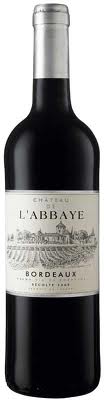
2009 Chateau de L’Abbaye, Bordeaux Supérieur, France $15.99

  • Dark, plumy nose with fruity, floral hints. Full-bodied with moderate acidity and supple tannin – good balance. Dark fruit core with blackberry jam and tobacco notes. Moderate length – smooth and seductive. Drinking well and should hold nicely for 2 to 3 years in the bottle. Very nice from a stellar vintage.

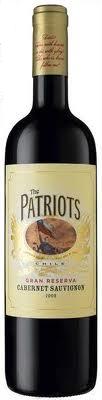
2009 The Patriots Gran Reserva Cabernet Sauvignon, Maipo Valley, Chile $16.99

  • Ripe, fruity nose with fresh cherry, red currants and fresh herbal hints. Medium-bodied with moderate acidity and supple tannin – good balance. Bright, black cherry palate with tobacco, tar and jammy notes. Moderate length – smooth with just a touch of oak. Drinking well now, not for aging.

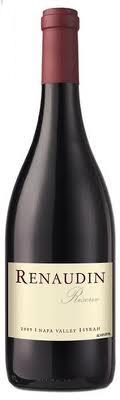
2009 Renaudin Reserve Syrah, Carneros, California $17.99

  • Ripe, jammy nose with blackberry, cherry and violet hints. Full-bodied with moderate acidity and firm, dry tannin – good balance. Nice dark fruit core with tar, blackberry, mint and vanilla notes. Long finish – smooth – layered. Drinking well now and should hold for another 3 to 5 years in bottle.

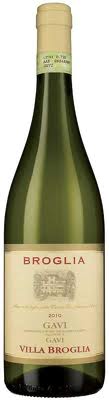
2010 Villa Broglia, Gavi di Gavi, Piedmont, Italy $19.99

  • Lemony, citrusy nose with floral, perfumed hints – pretty. Medium-bodied with firm acidity – good balance. Light on the palate with persistent lemon and just a hint of vanilla. Moderate length – crisp and refreshing – smooth. Drinking well now – not for aging.

Some of my updated thoughts…

  • It certainly appears that the overall quality level of wines available through mail order wine clubs has dramatically improved. When I first dipped my toe into this wine sector many years ago, the wine was simply not very good. As noted above, many of the wines I tried were quite respectable and fairly priced.


  • Most of the wines available through mail order clubs are exclusive to those outlets. On the one hand that isn’t necessarily a bad thing, but I hate to sole source anything – the frugal Yankee in me likes managed competition.


  • Also as noted above, a few of the wines were just not very good at all. True, this same phenomenon can occur when just randomly shopping in a wine shop, but at least in a wine shop you can seek out “professional” advice on the wines. Sure, salespeople are salespeople, but if they truly care about repeat business they will strive to give you the best advice, I hope. I guess the same can be said for wine clubs… moral of the story: bad wine is bad wine no matter where you buy it and it can happen at any time…


  • The per case price for the clubs seems pretty reasonable – Laithwaite’s touts a $139.99 per case price for twelve mixed wines, which translates to just under $12 per bottle. At a 67% success rate, the possible “lost opportunity” is a little less than $50. If I felt inclined and was just starting out in my wine journey, I could see joining a club like Laithwaite’s – taste through a few cases, assess the quality and elect to stay, or go on an on-going basis – My biggest concern is the impact of weather on the shipping… extreme heat and cold do not good bed fellows make for wine… Fortunately fulfillment in Massachusetts happens locally, so the travel time is minimized.

So, the next time a student asks me my thoughts on mail order wine clubs, I will pleasantly have a more positive story to tell…

Cheers!

2008 Ridge “Carmichael Ranch” Zinfandel, Sonoma County, California

03 Sunday Jun 2012

Posted by musingsonthevine in Wines

≈ Leave a comment

Ridge is one of the “old guard” as far as California Zinfandel is concerned, producing wines from the Geyserville property for over 40 years. The overall history goes as far back as 1885, which you can read about here: http://www.ridgewine.com/About/About%20Us.

The Carmichael Ranch property is located in the Western Alexander valley, southeast of Geyserville and dates back to around the mid 1800’s. Ridge began farming the property in 2000, producing the first Zinfandel from those efforts in 2004. The soils are loamy clay and the head trained vines vary in age from 28 to 25 years old.

Short rainfall and overall bad weather in 2008 yielded a very small crop, with only 41 barrels produced, bottled in November of 2009. The composition of the wine is 92% Zinfandel and 8% Petite Sirah.

Not surprising, the wine is only available from the winery, with the 2009 vintage currently listed on the web site at $28.00. A pretty decent value for a wine of such quality and pedigree.

My tasting note:

Bright, fruity nose with spice, red berry and floral hints. Medium-bodied with moderate acidity and supple tannin – good balance. Youthful with jammy, tarry notes – cherry, blackberry and violets. Moderate length, smooth with layered complexity. Drinking well now and should hold for another 2 to 3 years.

Cheers!

Stone Gate Vineyard, Gilford, NH

30 Wednesday May 2012

Posted by musingsonthevine in Wines

≈ 1 Comment

An interesting statistic that I always throw out in my Introductory Wine Appreciation class is that wine is produced in every one of the fifty United States… I can’t say that I have actually had wine from all fifty states, but I’m close. Some would call it an affliction… the fact that everywhere I go, I seem to find wineries to visit. Who would have thought that on Memorial Day weekend in New Hampshire I would be tasting wine at a lovely little vineyard in the lakeside town of Gilford… next door to Laconia and Weir’s Beach. Yeah, that Laconia… And I’m happy to report that Stone Gate Vineyard (www.stonegatevineyard.com) is a real gem!

Owner and winemaker Peter Ellis was open for the first day of the season when we stopped by. Engaging and passionate, Peter explained that five years ago he and his wife started Stone Gate as a second career. With a total production of around five hundred cases, Stone Gate is committed to quality versus quantity, often selling out of their wines before the end of the season. The wines are made from primarily hybrids, with a tasty, winter-hardy Riesling a notable exception. A small amount of estate grown grapes go into production, with the balance of the wines made from fresh pressed juice sourced in the Finger Lakes region.

Peter’s winemaking style favors balanced wines with lively fruit, lovely aromas and crisp, refreshing palates. Among our favorites are the following:

  • Vidal Blanc – Citrus nose, perfumed with a dry, crisp finish – nicely balanced with just a hint of residual sugar.
  • Vignoles – Lemony with lovely bee’s wax and petrol hints – crisp and dry with a refreshing tartness.
  • Cayuga – Fruity nose with apple and grapefruit – crisp with a pleasing sweetness.
  • Riesling – Classic petrol nose with lemon, apple and apricot – very light with great balance and finesse.
  • Steuben – Wild strawberry nose, fruity – clean, simple and easy drinking.
  • Winnipesaukee White (100% Niagara) – Floral nose, perfumed with grape juice aromas – light, soft and slightly sweet – their best seller…
  • Marechal Foch – Bright cherry nose with fresh herb and spice – medium-bodied with more cherry (added tannin to improve structure).
  • Winnipesaukee Red (A blend of De Chaunac and Roujeon) – Spicy and wild with cherry notes – full-bodied with a long, pleasing finish – slight residual sugar calms the acid perfectly.
  • Frontenac – Bright cherry nose – spicy with slight petulance (dissolved CO2) – herbaceous.

Definitely worth the trip and part of a fairly significant wine trail (NHWineryAssociation.com), had we more time we would have explored further… I know where we will be going on our next trip north of the border…

Cheers!

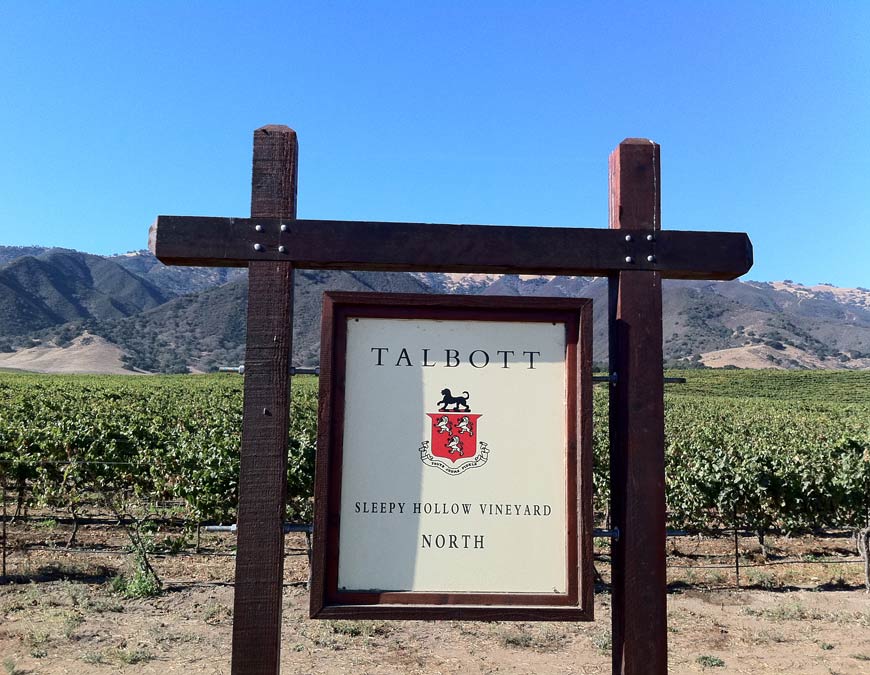
2009 Talbott Sleepy Hollow Vineyard Pinot Noir, Santa Lucia Highland, California

11 Friday May 2012

Posted by musingsonthevine in Wines

≈ Leave a comment

I’m picky about my Pinot Noir and folks who know me, know that I gravitate towards red Burgundy… That said, I do have a soft spot for Pinot Noir coming out of the Central Coast of California, especially those that strike a balance between the effusive fruitiness of West Coast Pinot Noir and the earthy, elegance of the Cote d’Or.

Talbott is one such producer. Started in 1982 by Robb Talbott, with a singular vision that, as stated on his web site… “It all began with my first taste of a great Burgundy. That experience profoundly shaped my palate, and as I grew older I knew that I wanted to create unique and exceptional Chardonnays and Pinot Noirs. Wines that took their inspiration from the traditions of Burgundy, but had their roots in California’s soils.”

Talbott established two important vineyards in Monterrey County: Diamond T Estate and Sleepy Hollow Vineyard. According to the web site, Sleepy Hollow Vineyard is “located in the stunning Santa Lucia Highlands, 13 miles south of Monterey Bay, this 565-acre hillside vineyard is divided into three separate vineyard parcels, Sleepy Hollow West, Sleepy Hollow South and Sleepy Hollow North. Both the West and South parcels are planted on Arroyo Seco gravelly loam soil, which allows excellent root penetration, enabling the vines to pick up subsoil minerals that increase flavor complexity. These sparse, well-drained soils also reduce yields, creating rich, concentrated flavors in the grapes. The vineyard’s predominately east-northeast exposure, combined with its proximity to the Pacific Ocean, contributes to a cool growing site with moderate vineyard temperatures. This results in a long growing season, giving the grapes the luxury of more hangtime to develop greater varietal character. Grapes from Sleepy Hollow West and South predominantly contribute to the Talbott Sleepy Hollow, Cuvée Carlotta and Logan Chardonnays, and the Talbott, Cuvée Sarah Case and Logan Pinot Noirs.”

“The Sleepy Hollow North block of Talbott’s Sleepy Hollow Vineyard in the Santa Lucia Highlands is home to the Talbott winery. This special 115-acre, contiguous vineyard block has predominantly Chualar gravelly loam soil that contains a large percentage of sand, gravel and granite-based rock. The unique composition of this well-drained soil allows for excellent root penetration. As with Sleepy Hollow Vineyard’s older blocks, growing conditions at Sleepy Hollow North result in low yields and excellent concentration of flavor components in the fruit. Relatively close proximity to the Pacific Ocean moderates temperatures, resulting in a long, mild growing season. The block’s mainly northeast exposure also contributes to cooler temperatures. Sleepy Hollow North is planted with newer clones of both Chardonnay and Pinot Noir. In 1989 and 1990, new Wente clones were planted on shy-bearing rootstock. The vines are on vertical trellising and receive minimal irrigation. In recent years, several acres of Pinot Noir vines were also planted on select rootstocks to elite Pommard and Dijon clones. Like Diamond T, Sleepy Hollow Vineyard is cultivated with a focus on environmentally conscious, sustainable farming practices.”

I had the 2009 Talbott at dinner recently and was quite impressed with its character and focus. So much so, that we picked up a case at a net price of $24.00 per bottle – quite the value, in my opinion.

My tasting note:

Ripe nose with vibrant red berry aromas and pretty floral hints. Medium-to-full-bodied with moderate acidity and supple tannin – well balanced. Fruity, elegant palate. Jammy with tar and roasted game notes. Long finish – smooth with lovely resolve. Drinking well now and should hold for another 3 to 5 years. Very Nice!

Cheers!

2009 Domaine Font Sarade Ventoux, France

05 Saturday May 2012

Posted by musingsonthevine in Wines

≈ Leave a comment

The Ventoux AOC, previously known as the Côtes du Ventoux, is in the southeastern part of the Rhone Valley, on the slopes of mount Ventoux at the foot of the Vaucluse Mountains. The climate is Mediterranean with plenty of sunshine to ensure adequate ripeness of the grapes. The region has a long history of wine making, stretching back to the time of Roman occupation, around 30 AD. There are more than 1,300 vineyards in the region, producing a wide variety of grapes. The wines produced are fairly high-value, meant for early consumption.

The Ventoux from Domaine Font Sarade is a blend of 60% Syrah and 40% Grenache, grown on approximately 12 acres of vineyard owned by the winery. The estate also produces Vacqueryas and Côtes du Rhone wines, for which they are fairly well known. Their Ventoux is a charming wine, perfect for summer fare. At an average bottle price of $14.99 per bottle pre-discount this is a good value.

My tasting note:

Fleshy, fruity nose with black cherry, anise and dried herb hints. Medium-bodied with moderate acidity and supple tannin – good balance. Lush, dark fruit palate with tarry, rustic notes. Smooth. Moderate length – quaffable. Drinking well now – not for aging. Good value.

Cheers!

2009 Vincent Pouilly-Fuissé Marie Antoinette, France

04 Friday May 2012

Posted by musingsonthevine in Wines

≈ Leave a comment

Twenty-nine years ago, Pouilly-Fuissé was all the rage. I remember going to the then “hot spots” in Boston’s fine dining scene and being literally awash in the wine. The sad part of the memory is that Pouilly-Fuissé just wasn’t that good. It was a pretender to the throne of those rarified white Burgundies from the Cote d’Or, and the American fine wine palate was anything but fully evolved, so we really didn’t know any better.

Fortunately, times and trends change and serious producers perfect their craft, like J.J. Vincent. I know many of Vincent’s other wines and I am quite the fan, but I had not heard of the Marie Antoinette. From the Fredrick Wildman web site:

The J.J. Vincent Pouilly-Fuissé Cuvèe Marie Antoinette is a tribute to Jean Jacques Vincent’s mother; Marie Antoinette Vincent. The wine is sourced from several parcels including young vines from the Chateau Fuissé vineyards of Le Clos, Les Brules and Le Combettes as well as several non-domaine yet family owned parcels throughout the appellation.

Impressive pedigree and it shows – the wine is bright and expressive, with solid Burgundian terrior. A charming alternative to domestic Chardonnay, at an average retail price of $19.99 per bottle, the wine is quite a nice value.

My tasting note:

Lively nose with apple, vanilla and dried hay hints. Medium-bodied with moderate acidity – good balance. Lush palate with citrus, apricot and a judicious dash of oak. Moderate length – smooth with persistent vanilla on the aftertaste. Drinking now – not for aging.

Cheers!

← Older posts
Newer posts →

Subscribe

  • Entries (RSS)
  • Comments (RSS)

Archives

  • June 2020
  • May 2020
  • April 2020
  • March 2020
  • February 2020
  • January 2020
  • December 2019
  • August 2019
  • February 2019
  • December 2018
  • November 2018
  • October 2018
  • September 2018
  • August 2018
  • July 2018
  • June 2018
  • May 2018
  • April 2018
  • March 2018
  • February 2018
  • January 2018
  • November 2017
  • August 2017
  • July 2017
  • June 2017
  • April 2017
  • March 2017
  • February 2017
  • January 2017
  • December 2015
  • October 2015
  • August 2015
  • July 2015
  • June 2015
  • December 2014
  • November 2014
  • August 2014
  • July 2014
  • June 2014
  • May 2014
  • April 2014
  • March 2014
  • February 2014
  • January 2014
  • December 2013
  • November 2013
  • October 2013
  • September 2013
  • August 2013
  • July 2013
  • June 2013
  • May 2013
  • April 2013
  • March 2013
  • February 2013
  • January 2013
  • December 2012
  • September 2012
  • August 2012
  • July 2012
  • June 2012
  • May 2012
  • April 2012
  • March 2012
  • February 2012
  • January 2012
  • December 2011
  • November 2011
  • October 2011

Categories

  • Cocktails
  • General
  • Restaurants
  • Spirits
  • Uncategorized
  • Wine Events
  • Wines

Meta

  • Create account
  • Log in

Blog at WordPress.com.

  • Subscribe Subscribed
    • blog.musingsonthevine.com
    • Join 36 other subscribers
    • Already have a WordPress.com account? Log in now.
    • blog.musingsonthevine.com
    • Subscribe Subscribed
    • Sign up
    • Log in
    • Report this content
    • View site in Reader
    • Manage subscriptions
    • Collapse this bar
 

Loading Comments...