Author Archives: musingsonthevine

Scotch Whisky

11 Sunday May 2014

Posted by musingsonthevine in Spirits

≈ Leave a comment

I recently hosted a very nice Scotch whisky tasting for some very dear friends. The selection of Caledonian beauties was not exhaustive, but broad enough to showcase the incredible diversity that is Scotch.

The whisky was tasted blind over the course of a two hour period. Spring water was on hand to appropriately loosen the noses and palates of our “distinguished subjects.”

However, before I relate the findings of our little gathering, a brief digression into the basics of Scotch whisky is in order…

HPIM0221.JPG

What is Whisky?

Whisky (Scottish), or whiskey (Irish), refers to a broad category of alcoholic beverages that are distilled from fermented grain mash and aged in wooden casks (generally oak).

Different grains are used for different varieties, including: barley, malted barley, rye, malted rye, wheat, and maize (corn).  Whisky derives from the Gaelic word for “water” (uisce or uisge), and is called in full uisge-beatha (Scotish) or uisce beatha (Irish).  The full term means “Water of Life” and it is related to the Latin aqua vitae, also meaning “water of life.” The term is always Scotch whisky, and Irish whiskey.
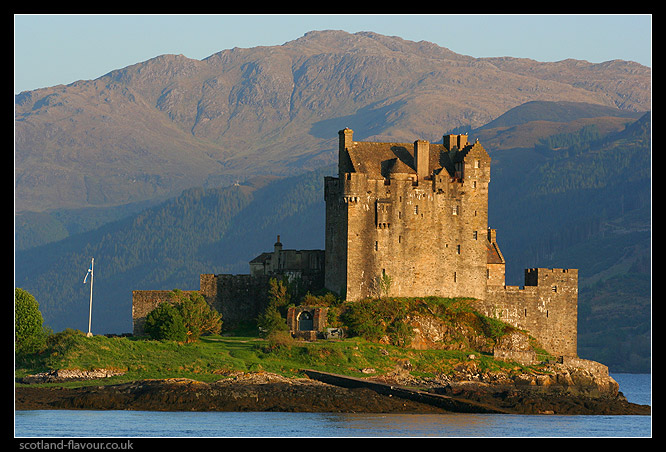
eilean_donan_castle_scotland_0303

A Brief History of Whisky

The first written record of whisky comes from 1405 in Ireland, where it was distilled by monks.  Legend states that Saint Patrick had brought the art of distilling to Ireland in the 5th Century, but this has not been substantiated.

Another legend suggests that the art of distillation was brought back to England, Ireland, Scotland and Europe in general, by monks returning from their service in the Crusades. It is widely known that the Muslims invented, practiced and refined the art of distillation, not for the production of alcohol, but rather for the production of perfumes and other medical elixirs. Over many decades of crusading, Christians and Muslims co-mingled and it is believed that Muslim practitioners taught Christian monks the secrets of distillation. The time frame for their return is early in the 14th century, which ties-in nicely with the written evidence of distillation in both Ireland and Scotland.

Whisky is first mentioned in Scotland in 1494 in the king’s ledger: “4 bolls of malt to Friar John Cor wherewith to make aqua vitae.”  Four bolls of malt equal fifteen hundred bottles, so it is likely that distillation existed in Scotland long before 1494 and was quite popular.  The ledger entry also underscores the fact that whisky production was clearly an exclusive activity of the monastic orders in Scotland.

All of this changed when King Henry VIII of England formed his own church, the Church of England, seized Catholic Church land holdings, closed the monasteries and literally fired all of the monks.  The unemployed monks took their talent for distilling and moved into small villages throughout Scotland and began to distill Whisky independently.  Business was brisk because farming, storing and transporting grain was a difficult endeavor in the 16th Century.  An enterprising farmer could convert a field of grain into Whisky, which was worth more than the grain itself and was much more easily transported.  The practice of having a few skalks before harvest didn’t hurt anyone either.  The term skalk applies to an early morning drink of whisky that literally translates as “a sharp blow to the head.”

Distilling Whisky became a very popular pastime, which the government tried to regulate unsuccessfully over the next few hundred years.  The Scottish didn’t much enjoy being under the control of a foreign government.  In 1707, England formally incorporated Scotland into the United Kingdom and financed the affair through a tax on Whisky.  This proved to be a significant mistake for the English, which fueled a patriotic rebellion of sorts.  Scottish “patriots” took to illegally distilling and smuggling Whisky throughout Scotland, openly defying the few bands of excise officers sent to collect the Whisky taxes.  The 18th Century proved tumultuous and bloody, with England sending troops to quell the various Whisky riots that broke out in protest of even higher taxes.  Eventually King George IV brought sanity to the situation.  On a state visit in 1822, the king tasted the Whisky produced in Glenlivet and pronounced it the official royal toasting drink.  In addition, King George IV restored previously banned Gaelic customs to Scotland and created a sensible tax structure for Whisky in 1823.  This event led to the establishment of legal distilleries and eventually the illegal stills and smugglers were replaced by a network of legally bonded Whisky distilleries.

The legitimacy of Scotch whisky allowed distillers to focus on improving quality, which was achieved primarily through aging in oak barrels.  Up to this time, Whisky had never been purposefully aged, which meant that the beverage was very rough on the palate.  The implementation of oak aging transformed Whisky from a rustic, farmers drink into a respectable beverage of the upper class.  Queen Victoria fell in love with Scotland and its native drink, which further elevated Whisky’s popularity.  To keep up with demand, the distillers began to blend the strongly flavored single-malt whiskies with the lighter grain alcohols being produced at the time and blended Scotch was born.

The growth of Scottish whisky was further aided by the advent of the phylloxera vine louse, which destroyed most of the vineyards of Europe during the end of the 19th Century.  This tragedy had the connected effect of destroying the then burgeoning Cognac/Brandy industry.  Cognac and Brandy are grape products, so with the vineyards in ruin, the Cognac industry lost its raw materials, which forced it to forfeit its market.  Scottish whisky was only too happy to step in and fill the breach, which catapulted Whisky into a whole new level.  Growth continued unchecked until the 1890’s when a series of distillery scandals, followed by grain shortages in WWI finally cut the number of Scottish distilleries (161 in 1899) in half by 1924.  Further damage was dealt to the industry when the American Temperance movement, led by Carrie Nation succeeded in winning the passage of the 18th Amendment in the US, otherwise known as Prohibition.  Given the history of illicit Whisky production and smuggling, the Scottish distillers were really only inconvenienced by Prohibition and the flow of illegal Whisky into the US at this time was significant.  Prohibition also forced Scotland to seek other markets, like the Japanese, to bolster demand.  As a result, Scottish whisky was less-traumatized than the Irish and American whiskey industries.

Scotch Whisky Types

There are two basic categories of Scotch whisky: Malt whisky, which is made primarily from malted barley that has been dried over smoking peat fires and Grain whisky, which is made from un-malted  wheat or corn.  Both whiskies are aged in used wooden Bourbon, Sherry or other wine barrels for a minimum of three years, although five to ten years is the general practice. International laws require anything bearing the label “Scotch” to be distilled in Scotland and matured for a minimum of three years in oak casks or bear a quality equal to that expected of produce from that region.  All Scotch malt whiskies are double or triple distilled in pot stills, while Scotch grain whiskies are made in column stills.  Whiskies do not mature in the bottle, only in the cask, so the “age” of a Scotch is the time between distillation and bottling. This reflects how much the cask has interacted with the Whisky, changing its chemical makeup and taste. Whiskies that have been in bottle for many years may have a rarity value, but are not “older” and will not necessarily be “better” than a more recently made whisky matured in wood for a similar time.

Single Malt Scotch Whisky is a whisky made entirely from malted barley and distilled in an onion-shaped pot still at one distillery.  It may be a mix of malt whiskies from different years, in which case the age statement on the bottle label gives the age of the youngest spirit in the blend.  The barley malt for Scottish whisky is first dried over peat-stoked fires.  The peat smoke adds a distinctive smoky tang to the taste of the malt whisky.

Vatted Malt Scotch Whisky is a blend of malt whiskies from different Scottish distilleries. If a whisky is labeled “pure malt” or just “malt” it is almost certain to be a vatted whisky. These whiskies are also sometimes labeled as “Blended Malt” whisky.

Scotch Grain Whisky is made primarily from wheat or corn with a small percentage of malted and un-malted barley included, usually in a continuous “patent” or “Coffey” still. Until recently grain was only used in blends — but there are now some “Single Grain” Scotches being marketed.

Blended Scotch Whisky is a blend of grain and malt Scotch whiskies.  A whisky simply described as Scotch Whisky is most likely to be a blend in this sense.  A blend is usually from many distilleries so that the blender can produce a flavor consistent with the brand, and the brand name (e.g. Bell’s, Chivas Regal) will usually not therefore contain the name of a distillery.

Scotch Whisky Regions

The Highlands consist of the portion of Scotland north of a line from Dundee on the North Sea coast in the east to Greenock on the Irish Sea in the west, including all of the islands off the mainland except Islay.  Highland malt Whisky covers a broad spectrum of style, which are generally aromatic with smooth, medium-bodied palates. The following are sub-regions of the Highlands: Speyside, North East,West Highland, the Orkney Isles, and the Western Isles: Arran, Jura, Mull, Skye.

The Lowlands encompass the entire Scottish mainland south of the Highlands, except the Kintyre Peninsula where Campbeltown is located. Lowland malt Whisky is light-bodied and relatively sweet and delicate.

Islay is an island off the west coast of Scotland. Typical Islay malt Whisky is intensely smoky and pungent with distinct iodine, or medicinal notes, generally taken from the sea salt that permeates the local peat that is used for drying the barley malt.

Campbeltown is a port located on the tip of the Kintyre Peninsula on the southwest coast of Scotland.  Campbeltown malt Whisky is quite distinctive with a spicy and salty tang.


whisky_producing_areas

Our Tasting

Now let us return to our little gathering…. Over the course of the evening we tasted eight Scotch whiskies. All of them showed exceptional character and individuality. At the conclusion of the evening, the votes were tallied and the whisky was thus rated. The following is the list, ranked from highest to lowest score:

aucob.12yov6

Auchentoshan 12yr (Lowland) (Founded 1800) – 17 points
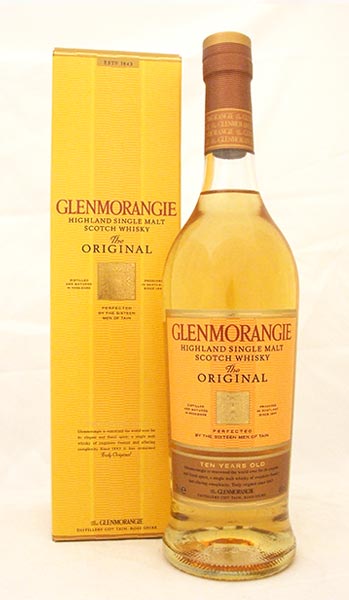
glenmorangie-10

Glenmorangie 10yr (Highland) (Founded 1843) – 15 points

monkeyshoulder

Glenfiddich Monkey Shoulder (Triple Speyside) (Founded 1887) – 14 points

OldMastersLabel

Lombard Old Master’s (Blend) (Founded 1962) – 12 points

Ardbeg-10-Year-Old

Ardbeg 10yr (Islay) (Founded 1815) – 10 points

Asyla-Box-Bottle

Compass Box Whisky Asyla (Blend) (Founded 2000) – 9 points

highlandpark_15years

Highland Park 15yr (Orkney) (Founded 1798) – 7 points

Sheep Dip Scotch

Sheep Dip (Vatted Malt) – 6 points


**As a note, scoring was based on points awarded for first, second and third place votes. First place votes receiving three points, second place receiving two points and third place receiving one point. Like anything as subjective as this exercise, personal preference becomes the rule of the day. Therefore, the scores above should be characterized not as absolute indications of quality or betterment, but instead represent the personal biases of the tasting panel present.
Wine Tasting @ Sweet Basil in Needham, MA – Sunday May 4, 2014 from 2:00 PM to 4:00 PM

07 Monday Apr 2014

Posted by musingsonthevine in Wine Events

≈ Leave a comment

Our last Wine Tasting in March was so well received, Needham Community Education is offering another installment!

At this time there are still (9) seats available!!

Wine-Tasting class at Sweet Basil
942 Great Plain Ave. Needham 02492

Join us for a fun and relaxing afternoon of wine tasting
as one of Needham’s most popular restaurants, Sweet
Basil, opens its doors for this class only. You will
learn more about the complex and fascinating world
of wines, savor delicious tapas-style appetizers, and
sample a variety of wines. You will learn about where
and how wine is produced, how to classify it into
broad types, how to buy, order, serve and store it, and,
of course, how to enjoy it. Sweet Basil will provide
appetizers carefully chosen to complement the wines
you’ll sample. So sign up alone, with a significant
other, or with a group for a special afternoon! A wine
fee of $15 per person is payable in class. Limited to
18.

Code: 10601.3
Sunday, May 4th, from 2-4pm
Paul Malagrifa, Certified Wine Educator, Instructor
Fee: $69 (with additional wine fee of $15 payable in class)
An array of appetizers will be served to complement wines being tasted!
Call Needham Community Education to register: 781-455-0400 x223 or 235

2012 Salzl Seewinkelhof Zweigelt, Burgenland Austria

26 Wednesday Mar 2014

Posted by musingsonthevine in Wines

≈ Leave a comment

Bear with me folks, before I chat about the Salzl, I thought I would brain dump on Austrian wine history, regions and laws… If you must, then scroll to the bottom for my thoughts on the 2012 Salzl…

Austria – Wine Making History

Like the wines of Germany, the wines of Austria are frequently misunderstood by the general wine drinking populace. The confusion is further compounded by the fact that in 1985 the industry was plunged into turmoil by a national scandal that overnight virtually eliminated Austria’s export wine market. The scandal involved wine brokers adding di-ethylene glycol (antifreeze) to wines to improve body and sweetness. The “silver lining” to this disaster was the establishment of new, stricter rules governing the production, bottling and exportation of Austrian wines.

Archaeological evidence suggests that grape growing was present in Traisental about 4000 years ago. Evidence of more organized grape cultivation for wine production dates to around 700BC, not unlike most of Europe. In fact, bronze wine flagons of the Celtic La Tène culture dating to the 5th century BC have been found at Dürrnberg in Salzburg. Viticulture thrived under the Romans, once Probus (Roman Emperor 276–282) had overturned the ban on growing grapes north of the Alps. Both Grüner Veltliner and Welschriesling appear to have been grown around the Danube since Roman times.

The fall of the Roman Empire hurt viticulture, but the influence of Christianity in Europe post fall saw a reemergence of strengthening viticultural activity. Wine boomed during the early 16th Century, but was sporadically interrupted during the economic turmoil and warfare of the 17th and 18th Centuries. The 19th Century saw the onset of numerous biological factors, culminating in the near total destruction of most European vineyards at the hands of the phylloxera root louse. At first deemed a catastrophe, the infestation actually became helpful by allowing wine makers to replace vineyards of lesser-quality grapes with higher-quality, more desirable varietals.

Following World War I, Austria was the third largest producer of wine in the world. Most of the production was going to Germany as bulk wine for blending purposes. The 20th Century saw the industrialization of Austrian wine, as more focus was placed on producing bulk blending wines for Eastern European consumption. This focus on quantity over quality led to the eventual downfall of the industry, when in 1985 the “antifreeze” scandal broke. The scandal effectively collapsed the export markets for all Austrian wines and forced a complete overhaul of industry standards.

The Austrian Wine Marketing Board was created in 1986 as a response to the scandal, and Austria’s membership of the European Union has prompted further revisions of her wine laws, notably the new DAC system of geographical appellations launched in 2002.

Austria – Wine Regions

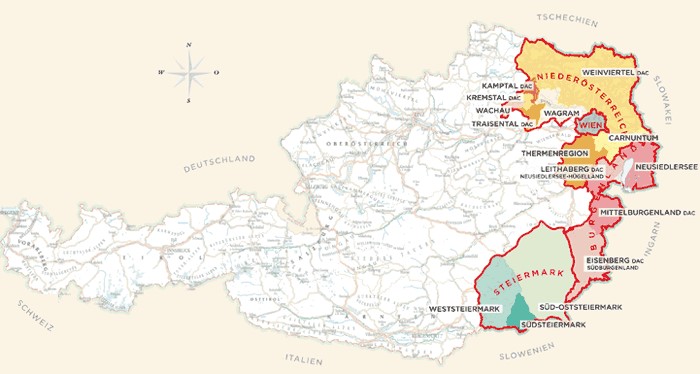
  • Niederösterreich:
    • Carnuntum, Donauland, Kamptal, Kremstal, Thermenregion, Traisental, Wachau, & Weinviertel
  • Burgenland:
    • Mittelburgenland, Neusiedlersee, Neusiedlersee-Hügelland, & Sudburgenland
  • Steiermark:
    • Südoststeiermark, Südsteiermark, Westststeiermark
  • Wien

austrianwinemap

Austria – Wine Laws

Three Quality Hierarchies

1) National Classification

  • Tafelwein – Table wine from more than one region in Austria
  • Landwein – Table wine from a single region in Austria
  • Qualitätswein – Fine wine from a single district within a region of Austria

         Kabinett: Light wines; medium-dry; 7-10% alcohol

  • Prädikatswein – Fine wine with additional notes of distinction

         Spatlese: “Late Harvest”; dry-to-sweet; 9-11% alcohol

          Auslese: “Select Picking”; dry-to-medium dry; 9-14% alcohol

          Beerenaulese (BA): “Berries Select Picking”; rich, sweet dessert wine

          Ausbruch: Sweet dessert wine made from grapes affected by noble rot.

          Eiswein: “Ice Wine”; BA-level intensity; frozen grapes

          Trockenbeerenauslese (TBA): “Dry Berries Select Picking”; noble rot; honey-like dessert wines

           Strohwein

2) Wachau Classification (Vinea Wachau Nobilis Districtus) – Three categories, all for dry wines:

  • Steinfeder (‘Stone feather’ – named after a grass, Stipa pinnata, that grows in the vineyards) – Light, quaffable wines
  • Federspiel (named after a falconry device) – Similar to Kabinett wines
  • Smaragd (named after an ’emerald’ lizard that lives in the vineyards) – Some of the best dry whites in Austria.

3) Controlled District of Austria (Districtus Austriae Controllatus) (DAC) – A new geographical appellation system equivalent to the French AOC or the Italian DOC. There are now 6 DACs:

  • Weinviertel DAC – (for Grüner Veltliner)
  • Mittelburgenland DAC – (for Blaufränkisch)
  • Traisental DAC – (for both Riesling and Grüner Veltliner)
  • Kremstal DAC – (for both Riesling and Grüner Veltliner)
  • Kamptal DAC – (for both Riesling and Grüner Veltliner)
  • Leithaberg DAC – (for Grüner Veltliner, Weißburgunder, Chardonnay, Neuburger and Blaufränkisch, beginning September 2010)

Austria – Grape Varieties

Whites: Reds
Gruner Vetliner (36% of all vineyards) Blauer Zweigelt
Müller-Thurgau (Riesling cross) Blaufränkisch
Welschriesling Blauer Portugieser
Weissburgunder (Pinot Blanc) Blauburgunder (Pinot Noir)
Chardonnay Blauer Zweigelt
Grauer Burgunder  

salzl_zweigelt-dac

The Salzl – My interest is always piqued when I see interesting red wines from Austria. This is especially the case when the varieties are out of the ordinary, like this Zweigelt.

Zweigelt is the eponymous creation of one Fritz Zweigelt, who, in 1922 developed the grape at the Federal Institute for Viticulture in Klosterneuburg, Austria. Zweigelt is a red grape that is a cross of St. Laurent and Blaufränkisch. It is the most widely-grown red grape variety in Austria, as well as having some presence in Canada’s vineyards on the Niagara Peninsula. Like most Austrian red grapes, the wines they yield are fruity, lightly tannic with nice crisp acidity.

Salzl is an older Austrian producer (circa 1840) located in the heart of Burgenland on a corner of Lake Neusiedl. The picturesque surroundings provide an ideal climate for grape growing, with red grapes especially benefitting from the moderating lakeside effects. The vineyards are located on an interesting mix of clay, slate and limestone soil, which imparts a strong mineral quality to the wines. Very traditional, but with a fresh, lively character, the Zweigelt is a real pleasant find. At $14.99/per bottle before the discount, the wine is a solid value.

And how many of you can say you’ve had Zweigelt before?

My tasting note:

Red berry nose with lilac and wet stone hints – very pretty. Medium-bodied with moderate acidity and moderate, well-integrated tannin – good balance. Sour cherry palate with red currant, dried herb and dried raspberry notes. Moderate length – crisp and clean with a bright finish. Drinking well now – not for aging. Bottled under Stelvin, so the freshness should be nicely preserved for a few years. Good value.

Cheers!

Nantucket Wine Festival – Looking for Volunteers

17 Monday Mar 2014

Posted by musingsonthevine in Wine Events

≈ Leave a comment

My friends at the Nantucket Wine Festival asked me if I had any wine lovers who might be able to help out…

NWF-VolunteerAd

The Nantucket Wine Festival, taking place on May 14-18, is looking for food and wine lovers to volunteer for the festival! Mix and mingle with winemakers from around the world and top chefs from Nantucket, Boston, New York and beyond! We are looking for people to help with all aspects of the festival – wine pouring, ticket taking and registration, seminar and wine tasting set-up, food serving, and more. Volunteer and receive a free ticket to the Sunday Grand Tastings. For more information, email volunteer@nwfest.net or visit http://nantucketwinefestival.com/about/volunteer

Cheers!

Punch

13 Thursday Mar 2014

Posted by musingsonthevine in Cocktails

≈ Leave a comment

Jan_Steen_-_Revelry_at_an_Inn_-_WGA21761

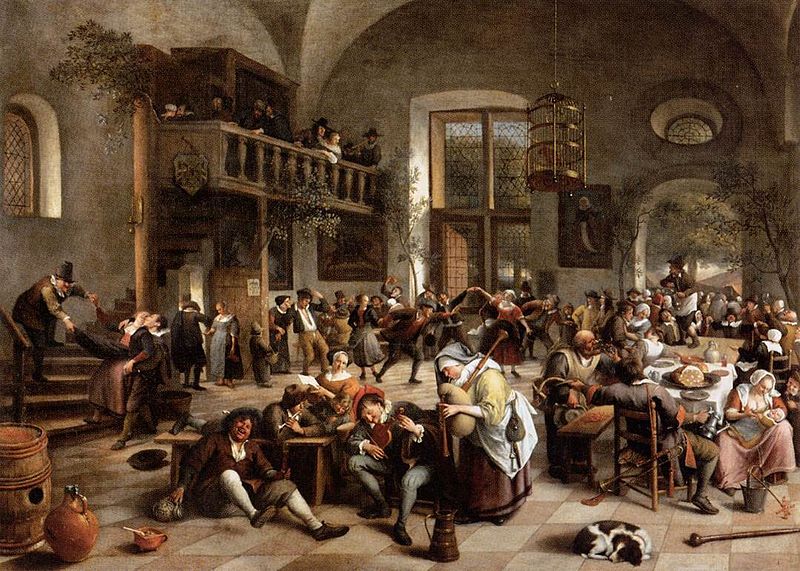
Among the many traditions brought forth to America by European colonists several hundred years ago, the “communal bowl” was an important component to creating a better life for these stalwart souls. To ease the rigors of travel for judges and political officials traveling from courthouse to courthouse, or town meeting to town meeting, laws were passed in most of the original American colonies calling for the establishment of common victualing stations along the major roads throughout the country. In fact, in Massachusetts, as early as the 1630’s, laws requiring each town to establish a tavern for the purposes of dispensing food, libation and affording reputable lodging were on the books. Hence the reason why there are so many colonial inns and taverns along what were the major routes across the state (i.e. Routes 1, 2, 9, 16, 20, etc.). A fixture in these roadside establishments was the communal bowl, which was always filled with a heady mixture, ready to slake the thirst of the many weary travelers crossing those well-worn thresholds.

In colonial America, your beverage choices were fairly constrained. For starters, water, while seemingly plentiful was always suspect and most folks chose to limit their intake to ensure better health. Beer and wine were available and consumed, but again, sanitary conditions, or in the case of wine, long sea voyages, often rendered these beverages undesirable. Fortified wines, like Madeira, Sherry and Port were very well received, and drunk with abandon in many homes and taverns across the state. Whiskey had yet to become a popular drink, but rum on the other hand, was America’s spirit of choice. That said, many of the colonial rums were pretty rough commodities, often requiring the addition of other ingredients to mask the awful flavor of the spirit. Hello Punch…

As I noted previously, punch was a long-standing European tradition. It stands to reason that the early colonists would want to recreate this tradition here in their new homeland. Punch provides many benefits: it’s a bacteriologically safe beverage; it’s warming after a cold, damp horse ride; it inspires camaraderie and togetherness; and it eases the nerves and promotes good sleep. Or so said colonial tavern owners. Rum punch was ubiquitous in Massachusetts and each tavern had their own recipe, some better than others.

Punch figures large in the lead up to our revolutionary war against England, fueling many a late hour discussion about democracy, taxation and what needed to be done about all those Red Coats… In April, we here in Massachusetts celebrate the “firing of the shot heard round the world,” commemorating those brave souls that took up arms against oppression and gave rise to the United States of America. Heady stuff, indeed and how better to celebrate than recreating the rocket fuel that emboldened those gallant Minutemen beside that “rude bridge.”

Besides, I needed an excuse to finally start playing around with punch…

I began this adventure as I do most of my travails, with research and experimentation. Ah, the things that I do in the name of science, history and friendship. Research uncovered a number of recipes claiming to be “colonial-age punches,” but many seemed suspect. One however seemed like a credible starting point – the venerable Fish House Punch. The recipe was outlined as follows:

    ¾ pound of sugar, dissolved in water

    1 bottle lemon juice

    2 bottles Jamaican rum

    1 bottle Cognac

    2 bottles of water

    1 glass of peach cordial.

Place a cake of ice in a large bowl, mix the above ingredients well and pour into the bowl. Ladle over ice and enjoy.

I of course dutifully recreated the above punch, albeit in a single-serving quantity and found the concoction fairly unbalanced – the tartness from the lemon juice was predominant and overall the punch tasted weak and too diluted. However, it was a starting point.

I wanted to tame the tartness of the lemon, but maintain a crispness that would actually allow you to drink the punch with food. I also wanted to deepen the flavor and make the drink more spirituous. I spent many evenings bench testing various combinations. I wanted to stay as true to the original ingredients in the name of historical accuracy. My final recipe ended up as follows:

    1.75L     Jamaican Rum

    .75L       Peach Brandy

    .75L       Cognac (VSOP)

    .75L       Manischewitz Cream White Concord

    .375L     Lemon Juice

    .75L     Simple Syrup (3:1)

    .75L       Water

Mix the above ingredients and ladle over ice cubes in lowball glasses. The recipe makes approximately (30) 6 oz. servings.

While I haven’t started placing a communal punch bowl in the entryway of our home for weary travelers to stop and refresh themselves before pressing on, I will find specific moments of celebration where the above recipe will be both festive and refreshing for our guests.

Cheers!

Beating a Dead Horse

05 Wednesday Mar 2014

Posted by musingsonthevine in Wines

≈ Leave a comment

I am going to apologize for beating a dead horse, but I cannot sit idly by when I come across a marvelous value. Such is the case with these two wines from the Iberian peninsula, aka Spain and Portugal. Both are an outrageous value ($7.99 per bottle price before any discount) and both deliver absolutely gulpable pleasure…

The first wine is from La Mancha in Spain and is a blend of Tempranillo (85%) and Syrah (15%). The 2012 Mundo de Yuntero is a terrific little wine from a medium-sized cooperative in La Mancha. The cooperative was originally founded in 1954 by 102 growers who needed a better way to market and sell their grapes. The vineyards of the cooperative are situated on calcareous soils along the banks of the Guiadana River, which creates a moderate mesoclimate, allowing for optimal growing conditions. Approximately 3,000 acres are under vine, managed today by over 700 members of the cooperative. A large portion of the vines are grown organically. The winery uses state-of-the-art technology, called the Ganymede system to produce their wines. For reds, the technology allows the grapes to be macerated more fully over a shorter period of time. The system also performs the maceration without pumps, thereby decreasing the exposure to oxygen, as well as decreasing the production of unwanted carbon dioxide. Extended maceration promotes better color extraction and preserves aromas. The ability to perform the maceration over a shorter duration limits the amount of tannin extracted. The result is a wine of great color, with ample fruit across the palate and without any astringency from increased tannin. The whole maceration process takes 5 to 6 days, compared to 12 to 14 days when using more traditional methods. Once finished, the young wines undergo malolactic fermentation and then are aged in a mix of oak barrels (French and American) of varying maturity for a short period of time.

mundo-del-yuntero-tempranillo-syrah-2012

2012 Mundo de Yuntero, La Mancha, Spain ($7.99/bottle)

Ripe, fruity nose with black cherry, cedar and peppery hints. Medium-bodied with moderate acidity and moderate, but well-integrated tannin – good balance. Youthful with a fresh, clean palate and blackberry, bramble and dried herbal notes. Gulpable. Moderate length with a smooth finish. Hints of allspice and black pepper show nicely on the aftertaste. Drinking well – and should improve for another 2 to 3 years in bottle. Great value.


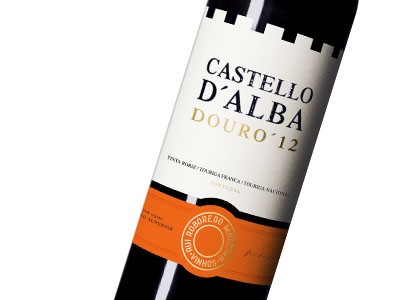
The second wine is from the Douro in Portugal and is a blend of four grapes: Tinta Barroca, Tinta Roriz, Touriga Franca and Touriga Nacional. The 2012 Castello d’Alba is a lovely young wine produced by one of Portugal’s hottest winemakers, Rui Roboredo Madeira. The label was established in 2000, with production in a facility in São João da Pesqueira. The grapes are harvested in the Upper Douro from vineyards planted on prehistoric schist soils. The climate of the Upper Douro is ideal for growing red grapes with dry, moderate weather and excellent diurnal patterns. The wine is aged in stainless steel for 8 months before bottling, emphasizing the expression of the fruit and the soil. Philosophically, Madeira is a purist, wanting to demonstrate the beauty and potential of the fruit from the Upper Douro. Hence the lack of oak in his young wines.

castellodalba

2012 Castello d’Alba, Douro, Portugal ($7.99/bottle)

Ripe, juicy nose with fresh cherry, tar and floral hints. Medium-bodied with moderate acidity and soft, supple tannin – good balance. Dark fruit core with blackberry, cherry and briar notes. Moderate length – smooth and easy drinking with a clean finish. Drinking well now – not for aging. Great value.

(By the way, both wines are available at The Wine & Cheese Cask in Somerville, MA… I advise getting there fast, since the Mundo de Yuntero is a Parker 90 point wine…)

Cheers!

2012 Marcel Lapierre Raisins Gaulois, Vin de France

27 Thursday Feb 2014

Posted by musingsonthevine in Wines

≈ Leave a comment

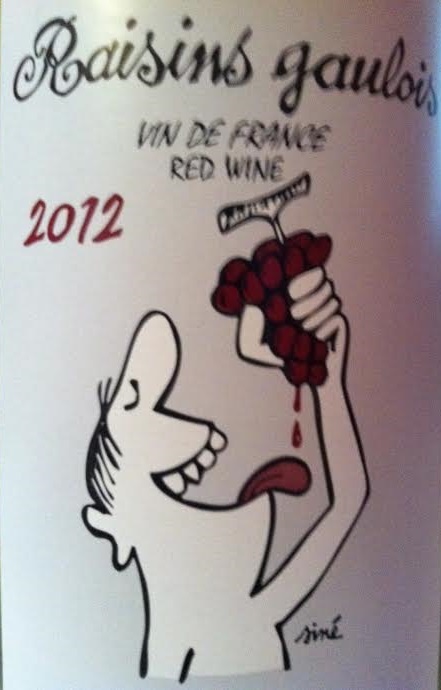
I recently picked up this fun little wine from my friends at the Wine & Cheese Cask in Somerville, MA… The wine was advertised as “nice, fruity fun, but with enough sappy concentration that it will match with anything.” The advertisement also offered a warning: “One bottle may disappear before dinner is over. It may disappear before dinner is prepared.” As you might expect, such words piqued my interest.

I’m glad to say that there is truth in advertising here… mostly. The wine is certainly fruity and fun and there is enough breadth across the palate to give the wine some legs. The acid level makes the wine a good partner with many cuisines, but the decided absence of tannin may cause the wine to flag in the face of truly prodigious dishes… a hearty, grilled steak for instance might cause this imp of a wine to flinch.

RaisinGaulois

The wine is also my first domestically acquired Vin de France. The story behind the wine goes like this. The producer, Marcel Lapierre owns a lot of property in Beaujolais, mostly in the Cru of Morgon. Actually, Lapierre is something of a celebrity in Morgon, earning a reputation for making some of the finest wines in the appellation. Both of his Morgon wines are from vines that average between 60 and 100 years of age and have dramatically low yields. The subject wine, however, is made from grapes harvested from much younger vines (average age less than 20 years) and the grapes are taken from plots within and without Morgon. Because Beaujolais lacks a Vin de Pays designation, the only thing a wine producer can do when using grapes from across AOC appellations is to designate the wine a Vin de France. Given the provenance of the wine, I’m just fine with the situation.

The wine is 100% Gamay, grown on the classic granitic soils of Beaujolais. While I did not detect much in the way of mineral or stone, the wine does have that unmistakable Gamay nose and palate that suggests ripe, fruity grape juice, just squeezed from the press. Good thing too, because a quote from Marcel on the Kermit Lynch website states emphatically: “Our ideal is to make wine from 100% grape juice.” Somehow I thought that was every winemaker’s ideal, but what do I know… Our price here in MA is around $12.99 per bottle pre-discount – a good value in my book.

My tasting note:

Ripe, fruity nose with sweet cherry and wildflower hints. Medium-bodied with moderate-to-firm acidity and supple tannin – good balance. Youthful with a juicy, lively palate. Extremely quaffable. Moderate length with a smooth, albeit simple finish. Some hint of spice and pepper showed vaguely on the aftertaste. Drinking, or should I say quaffing, well – not for aging. Although, the wine is closed via Stelvin, so I would expect the wine to remain fresh and lively for a few years to come. Good value.

Cheers!

The Stinger

14 Friday Feb 2014

Posted by musingsonthevine in Cocktails

≈ Leave a comment

I realized that among all of the cocktails I have blogged about, the Stinger was conspicuously absent. Strange, too, because the Stinger is in that great pantheon of classic cocktails and I love the classics. Well, no time like the present to make up for this obvious inequity…

The Stinger is what is referred to as a “Duo” cocktail, meaning that it is composed of only two ingredients, one of which is always white Crème de Menthe. The classic Stinger uses Brandy, or Cognac if you prefer (I prefer) as the primary spirit. Other notable Stingers include the Vodka Stinger, obviously replacing the Brandy with Vodka. I tried a Whiskey Stinger – best advice here is to leave it alone…

If you only have the usual green Crème de Menthe, than you can make yourself what is called a Green Hornet, which is actually slightly less green if you use Brandy as the primary spirit. Much greener with Vodka…

Stingers date back to pre-Prohibition days and were considered something of a night cap or “settler” after an evening’s carousing. According to Esquire magazine, they were also the preferred cocktail of returning fighter pilots from WWII. I suspect the tingle of peppermint provided the missing excitement of aerial combat.

Stinger

Ladies and gentlemen, The Stinger:

3 oz. Brandy (I use VSOP Cognac)

1 oz. White Crème de Menthe

Combine the ingredients and shake vigorously with crushed ice. Strain into a chilled cocktail glass. Garnish with a Luxardo Maraschino cherry, if desired.

Cheers!

Our 2014 Wine Tasting Events!

12 Wednesday Feb 2014

Posted by musingsonthevine in Wine Events

≈ Leave a comment

AskPaul

We have scheduled our 2014 Wine Tasting Events and the line up looks pretty exciting, if we do say so ourselves!

Wines of Italy – 3/29/14 – $50 per person

Italy, a country synonymous with winemaking, consistently produces the most wine of any other winemaking country in the world. Think of Italy and one thinks of fine food and lots and lots of wine. Sometimes known for its lower quality “straw basket” Chianti wines of the 1970’s and 1980’s, Italy has emerged over the last few decades as a producer of high quality, oftentimes high-value wines. The combination of superb recent vintages, improved viticulture and improved winemaking techniques has elevated Italy to new heights. At this event we will taste several wines from a wide variety of regions within Italy, showcasing the renewed quality and value that is now defining Italian wine.

Wines of Burgundy – 4/26/14 – $75 per person

Burgundy, like Bordeaux is a classic wine region with a long-standing tradition of fine wine production. Unlike Bordeaux, the wines of Burgundy are not as well-known, largely because the complicated arrangement of appellations and vineyard ownership. Home to Pinot Noir (red wines) and Chardonnay (white wines), Burgundian wines can be magical and remain the benchmarks by which other Pinot Noir and Chardonnay producers measure their success. At this event we will taste several wines from the key regions in Burgundy.

Wines of South Africa – 5/31/14 – $50 per person

It has been several years since we last studied South African wines. In that time, South African wines have continued to flourish, improving and maturing into to true World-class competitors. For the uninitiated, South Africa has a long and prestigious wine making history, which was derailed for a time during the brutal period of apartheid, but which has since rebounded in recent years. At this event we will taste several wines from the many regions of South Africa, each underscoring the great diversity that is South Africa.

Summer Sippers – 6/21/14 – $50 per person

Summer is a time for easy drinking, high-value wines that require very little thought or demand even less contemplation. The wines of summer should be light and refreshing, pairing well with the usually light repasts or foods from the grill. At this event we will examine several wines, both white and red that are light, refreshing and represent good value.

Wines of Bordeaux – 9/13/14 – $50 per person

Bordeaux is perhaps the best known wine region in the world, with elegant, age worthy wines celebrated, and imitated across the globe. At this event we will enjoy several wines from the Bordeaux region, each one selected to underscore the taste and quality of the area.

Art of the Cocktail – 10/18/14 – $50 per person

It is believed that the cocktail was invented in the US sometime early in the 19th century.  Largely thought of as the sporting crowd’s answer to fruit laden punches of the day, the classic cocktail has little in common with today’s Slippery Nipple.  The classic cocktail is little more than spirits, bitters, sometimes a mixer and sometimes ice, but in the correct combinations, these elements can yield “a quite serviceable concoction.” At this event we will practice the art of mixing the classic cocktail – from the Sidecar to the Old Fashioned.

Wines of California – 11/15/14 – $50 per person

I have yet to dedicate an entire class to the wines of California, so this event is probably long overdue. California is the largest wine producing region the US, holding a commanding lead over every other contender in the market. The blessings of near perfect climate, along with the unique geography that promotes the growing of the vine almost gives California an unfair advantage when it comes to making wine. That said, sometimes these riches are squandered with the result being wines lacking both distinction and value. However, when California gets it right, their wines are among the best in the World. At this event we will taste several wines from California, showcasing many of the well-known and not-so-well-known regions. We will also taste some “older” bottles to help confirm, or debunk the proposition that Californian wines don’t age well.

Champagne – 12/13/14 – $100 per person

Holiday celebrations would somehow be diminished without the inclusion of fine Champagne. In the past, we’ve looked at the overall category of sparkling wines, all very nice. However, sometimes there is nothing like the real thing to set one’s heart aflutter. At this tasting we will sample several wines from Champagne, including many vintage and tête du cuvee bottles.

All of our events are held in Wrentham, Massachusetts and they fill up very quickly!

Make sure to make your reservation now – contact us through our web site: Musings On The Vine

Cheers!

Harry’s Revenge

10 Monday Feb 2014

Posted by musingsonthevine in Cocktails

≈ Leave a comment

With the continued cold and snow in the Northeast, a lot more brown liquor is getting poured in our household. This is not a negative, just an observation and in an effort to cut through the effects of reduced vitamin D, I have taken to experimentation.

Many folks know of the famous Bellini cocktail, invented by the owner of Harry’s Bar in Venice somewhere between the end of Prohibition and the end of WWII (1933 – 1945). The drink was so named because Giuseppe Cipriani, the owner of Harry’s felt the color of the cocktail was reminiscent of the color of a saintly robe found in a 15th century painting by Giovanni Bellini. The rest is history.

I like Bellini cocktails, but they are not a wintery libation. A recent exercise in tinkering with the Boulevardier, the Negroni and the Manhattan got me thinking. Could I adapt a cocktail that would use the essential ingredient of the Bellini, peach puree and the appropriate spirits of the season? Well, yes I could…

I started with a Bourbon-based Manhattan, but no matter how I adjusted the volumes of each component, the drink was too cloying for my liking. Branching into Negroni territory, I found that the mixture had an unpleasant contrast between the Campari and the peach puree, which echoed metallic overtones. The Boulevardier started me down the path of salvation, however.

Starting with Rye Whiskey as the base and then building from there was the key. Rye is inherently less sweet than Bourbon and subbing a more floral Sweet Vermouth in lieu of Campari created a nice back drop for the peach puree. I decided to use a pre-mixed peach puree (I know, I know, don’t say it…) – the Stonewall Kitchen Bellini Mixer. The mixer is perfect because it contains a little sugar and a little citrus to intensify the body. I then thought that it would be nice to add a touch more floral to the blend, so I went to St. Germaine Elderflower Liqueur – nicely exotic. Lastly, to put an edge on the cocktail, I employed an equal mix of Angostura Bitters and Bittermen’s Hell Fire Habanero Bitters. The two played wonderfully off the tangy sweetness and lush floral qualities of the cocktail.

So, why Harry’s Revenge? Well, first, I thought it would be nice to pull in the history related to the bar that gave us the Bellini and, second, I wanted to honor a man who is the consummate gentleman and gave me some of my fondest memories during my early years at Harvard – Harry Hawkes. Harry is a unique individual who has left a lasting impression on my mind and, almost more importantly, Harry loves a good cocktail.

HarrysRevenge1 HarrysRevenge2

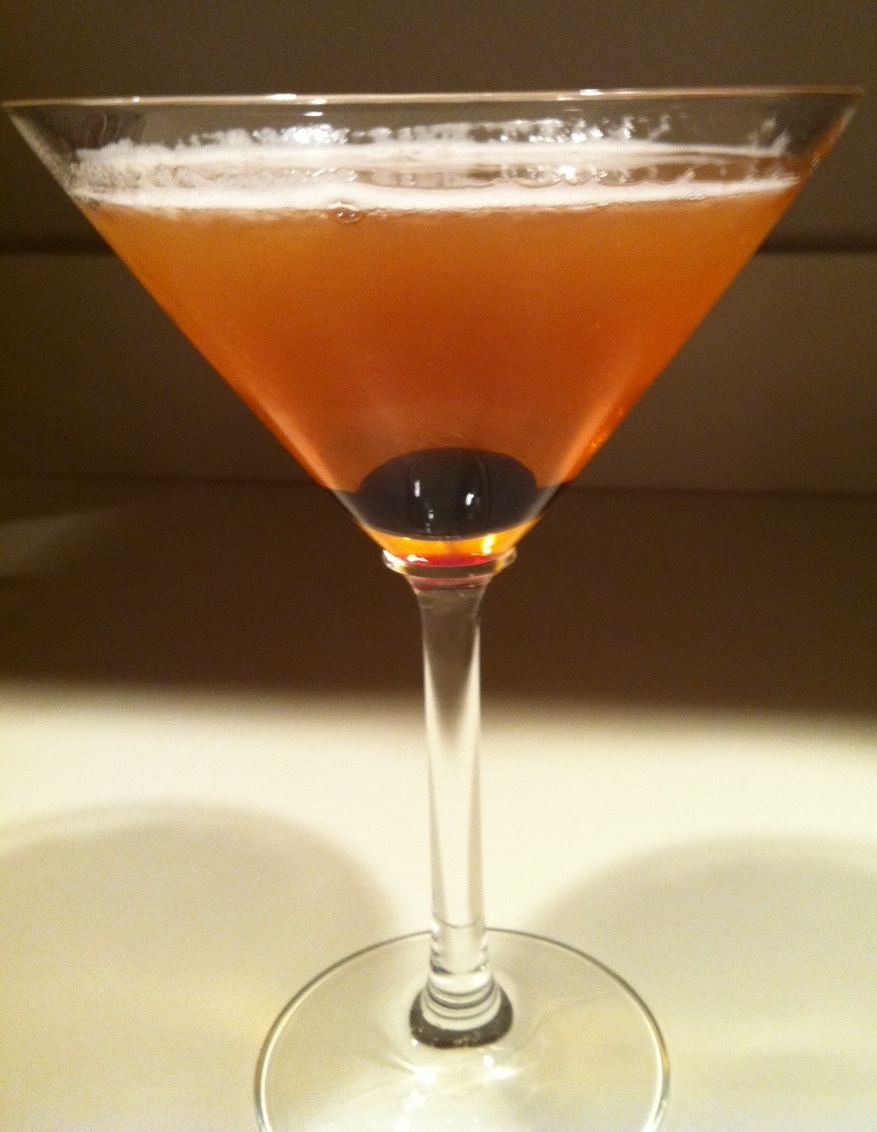
So, Harry, where ever you are and to my other friends, I present Harry’s Revenge:

2 oz. Rye Whiskey (I use George Dickle Green Label, 90 proof)

½ oz. St. Germaine Elderflower Liqueur

½ oz. Sweet Vermouth (I use Dolan)

½ oz. Peach Puree (I use Stonewall Kitchen Bellini Mixer)

2 dashes Angostura Bitters

2 dashed Bittermen’s Hell Fire Bitters

Combine the ingredients and shake vigorously with crushed ice. Strain into a chilled cocktail glass. Garnish with a Luxardo Maraschino cherry.

Cheers!

← Older posts
Newer posts →

Subscribe

  • Entries (RSS)
  • Comments (RSS)

Archives

  • June 2020
  • May 2020
  • April 2020
  • March 2020
  • February 2020
  • January 2020
  • December 2019
  • August 2019
  • February 2019
  • December 2018
  • November 2018
  • October 2018
  • September 2018
  • August 2018
  • July 2018
  • June 2018
  • May 2018
  • April 2018
  • March 2018
  • February 2018
  • January 2018
  • November 2017
  • August 2017
  • July 2017
  • June 2017
  • April 2017
  • March 2017
  • February 2017
  • January 2017
  • December 2015
  • October 2015
  • August 2015
  • July 2015
  • June 2015
  • December 2014
  • November 2014
  • August 2014
  • July 2014
  • June 2014
  • May 2014
  • April 2014
  • March 2014
  • February 2014
  • January 2014
  • December 2013
  • November 2013
  • October 2013
  • September 2013
  • August 2013
  • July 2013
  • June 2013
  • May 2013
  • April 2013
  • March 2013
  • February 2013
  • January 2013
  • December 2012
  • September 2012
  • August 2012
  • July 2012
  • June 2012
  • May 2012
  • April 2012
  • March 2012
  • February 2012
  • January 2012
  • December 2011
  • November 2011
  • October 2011

Categories

  • Cocktails
  • General
  • Restaurants
  • Spirits
  • Uncategorized
  • Wine Events
  • Wines

Meta

  • Create account
  • Log in

Blog at WordPress.com.

  • Subscribe Subscribed
    • blog.musingsonthevine.com
    • Join 36 other subscribers
    • Already have a WordPress.com account? Log in now.
    • blog.musingsonthevine.com
    • Subscribe Subscribed
    • Sign up
    • Log in
    • Report this content
    • View site in Reader
    • Manage subscriptions
    • Collapse this bar
 

Loading Comments...